
For most Metro Detroit insurance agencies, the fastest route to more clients isn’t more leads. It’s working the leads you already paid for, responding faster than the big carriers, and buying new leads only at a price that pays off.
We’re Lumifi Digital, a women-owned marketing agency in Sterling Heights, Michigan, with more than 10 years in digital marketing. We work with insurance agencies across Macomb, Oakland and Wayne counties, and we built Lumifi, a follow-up and automation system designed around how insurance agents actually sell. You can see it at work in our case studies with Howard Beatty IV Insurance Agency in Troy and Schnaidt Insurance.
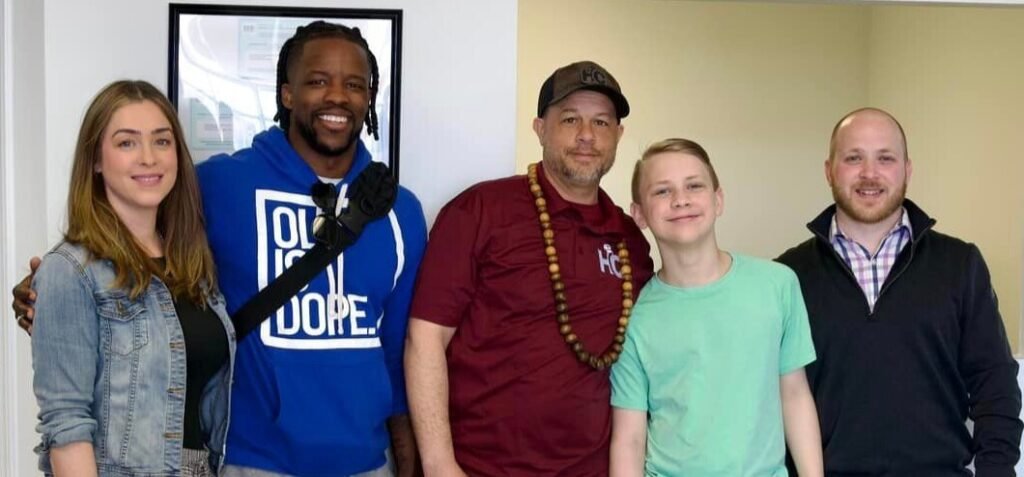
This guide pulls together what we’ve learned, including fresh research on Google Ads for a Macomb County agency. It covers re-marketing to past leads at their renewal date, speed-to-lead, text message follow-up, Google Business Profile, and what it really takes to compete on Google Ads in Michigan.
Why it’s hard for a local agency to win online
A local agent is up against companies that are better known, earn more per customer, and respond faster. Knowing exactly where you’re outmatched tells you where to compete instead.
- Brand recognition. People have seen Progressive, State Farm and GEICO ads hundreds of times. Next to an unfamiliar agency name, many searchers click the one they know.
- Carriers can outbid you. A carrier keeps the whole premium for as long as the customer stays, and Michigan auto insurance averages about $2,716 a year (Experian, July 2026). An agent earns a commission on that, so the carrier can afford a much higher bid.
- Lead sellers resell the same shopper. Quote-comparison sites collect one person’s details and sell them to several agents and carriers at once.
- Shoppers compare more than ever. The average auto insurance shopper now collects 3.5 quotes before deciding, the highest in the 20-year history of J.D. Power’s U.S. Insurance Shopping Study.
- Big players respond instantly. Carriers and large agencies use systems that call or text a new lead within seconds. A busy local agent might call back an hour later, after the shopper has talked to someone else.
Where a local agency wins is the personal side: a fast callback from a real person, a home and auto bundle reviewed by someone who knows Michigan’s no-fault choices, and a check-in at renewal time. The rest of this guide is about turning those strengths into a system.

Your past leads are your cheapest new clients
The leads an agency has already paid for are usually its most underused asset. Most get called once or twice, then forgotten, even though many will shop again when their policy renews.
Insurance agents call that renewal date the X-date: the day a prospect’s current policy expires. A shopper who wasn’t ready to switch in March may be very ready six months later when their renewal notice arrives. The agent who reaches them then, with a quote in hand, has a real shot.
The problem is persistence. Lead-management vendor AgentTech says it takes 6–8 contact attempts to reach the average insurance lead, while most agents give up after one or two. No busy agent can manually track hundreds of X-dates and follow up on each one.
That’s the gap we built Lumifi to close. It loads every past and purchased lead with its renewal date, then automatically reaches back out by text and email ahead of each renewal, for as long as the lead stays on the list. When someone replies, the agent is alerted and picks up a warm conversation.
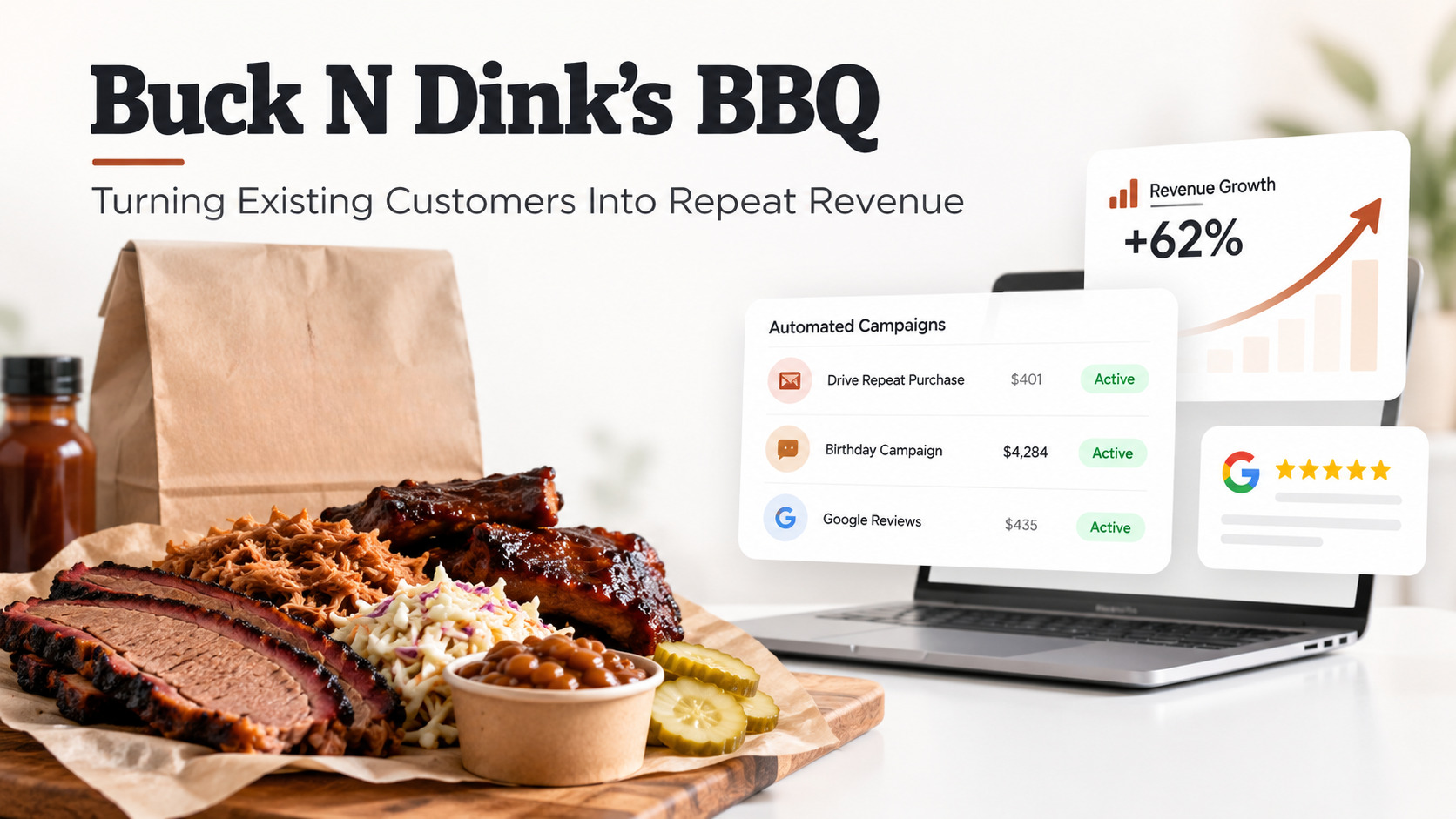
What this looks like in practice: at Howard Beatty IV Insurance Agency in Troy, 3,945 leads that used to be worked once are now worked continuously and re-contacted every six months, so the agency gets more from leads it already paid for instead of buying new ones.
Cross-sell is the other half. J.D. Power found that 45% of auto insurance shoppers have a homeowners policy, but only 20% received a homeowners quote while shopping. Automated follow-up that offers home, umbrella and renters coverage to existing clients makes every household worth more over time.
Speed to lead: whisper calling and instant texts
The agent who reaches a new lead first has the best chance of writing the policy, and the research on response time is striking:
- The MIT/InsideSales Lead Response Management Study found that calling within 5 minutes instead of 30 made it up to 100 times more likely to reach the lead, and 21 times more likely to qualify them.
- Harvard Business Review’s “The Short Life of Online Sales Leads” (2011) studied 1.25 million leads and found companies that responded within an hour were nearly 7 times as likely to qualify the lead as those that waited longer. Nearly a quarter of companies never responded at all.
Large carriers meet this with automated dialers. Lumifi gives a local agency the same speed with whisper calling:
- A lead fills out a quote form or comes in from a lead vendor.
- Lumifi calls the agent first and “whispers” the lead’s name and what they’re looking for.
- The agent presses 1 and is connected to the lead, usually within a minute, while they’re still shopping.
At the same moment, the lead gets a personal text to start a conversation, and missed calls get an automatic text back. If nobody answers, the follow-up sequence takes over.
Text message follow-up that people actually answer
Many shoppers won’t pick up a call from a number they don’t know, but they will answer a text when it suits them. That makes texting the backbone of insurance follow-up, as long as it reads like a person and not a blast.
What works for the agencies we support:
- Short, personal, two-way messages. “Hi Sarah, it’s Mike from the agency. Want me to run a quick home and auto quote before your renewal?” gets replies; a promotional blast doesn’t.
- A schedule, not a one-off. Every lead gets a text and email the moment they come in, more touches over the next two weeks, light monthly check-ins, and a message ahead of each renewal date.
- A clean handoff. The moment a lead replies, the agent is alerted and takes over the conversation.
Do it legally. Automated texts need the lead’s consent under the federal Telephone Consumer Protection Act (TCPA). Every quote form we build includes an unchecked consent box that names the agency, and every message honors “STOP”. Business texting from a local number also has to be registered with the phone carriers (A2P 10DLC), which we handle during setup. Michigan’s Department of Insurance and Financial Services also expects insurance advertising to be truthful and to name the insurer, so we write messages and pages with that in mind.
Google Business Profile, reviews and referrals
For a local agency, the Google map listing is the most realistic free search opportunity, not website SEO. Ranking a small agency’s website for “car insurance” against national carriers and comparison sites isn’t realistic. Town-name pages don’t help much either: in our research for a Macomb County agency, searches like “insurance agent Eastpointe” had no measurable volume, because people search “insurance agent near me” instead.
Those “near me” searches show Google’s map results first. Google says it ranks them mainly on relevance, distance and prominence, and that review count and rating help (Google Business Profile Help). A complete, active profile with steady reviews can appear next to the national brands at no cost per click.
What we do for insurance agencies:
- Profile setup: the right categories and services, accurate hours, real photos of the office and team, and consistent listings on Apple Maps, Bing, Yelp and Facebook.
- Ongoing activity: regular posts and new photos, and answers to questions on the profile.
- Automatic review requests: after a client buys, renews or gets help, Lumifi texts a short thank-you with a one-tap review link. At Schnaidt Insurance, an automated review campaign doubled Google reviews from 24 to 48 in two months.
- Automatic referral requests: at the same happy moments, clients get an easy way to send a friend or family member your way, tracked as its own lead source. At Howard Beatty IV, referral leads closed 100% of the time over a three-month stretch.

Google Ads for insurance agents: what we learned
Google Ads can work for a Michigan agency, but only in a narrow lane: local, high-intent searches, with bids capped to a cost per lead the agency can afford. We recently analyzed thousands of keywords in Google Keyword Planner for an agency in eastern Macomb County (Sep 2025 – Aug 2026 data). Four findings stood out.
1. About a third of search volume is competitor brand names. Searches like “state farm near me” or “direct auto insurance” are people looking for a specific company, not a new agent.
2. The searches that cost the least are people looking for an agent. Estimated cost per click by search type:
| Search type | Example | Est. cost per click |
|---|---|---|
| Insurance agent / agency | insurance agent near me | ~$17 |
| Renters | renters insurance | ~$17 |
| Auto insurance near me | car insurance near me | ~$28 |
| Home and auto bundle | home and auto insurance quote | ~$39 |
| Auto insurance quotes | car insurance quotes | ~$72 |
| Home insurance quotes | homeowners insurance quote | ~$85 |
3. Insurance clicks convert poorly. Finance and insurance had the lowest conversion rate of any industry on Google Ads in 2025, about 2.6% (WordStream/LocaliQ). An expensive click that lands on a slow page, or a lead that waits an hour for a callback, is wasted money.
4. Google Local Services Ads aren’t an option in Michigan yet. Google currently offers the insurance agency category only in California and Florida (Google).
How we set it up. Decide the most the agency can pay for a lead, then cap bids so Google can’t exceed it:
\text{Max cost per click} = \text{target cost per lead} \times \text{share of clicks that become leads}
At a $300 target and a 7% lead rate, that’s about $21 a click: enough for agent and “near me” searches, not for the $70+ quote searches the carriers fight over. As fast follow-up and a strong landing page raise the lead rate, the cap rises and the campaign can grow.
Compare cost per sale, not cost per lead. An exclusive Google lead costs more than a bought lead, but nobody else is calling that shopper. The fair comparison is what each source costs per policy written, which is exactly what tracking every lead by source in Lumifi shows. We’re preparing a capped test with a Macomb County agency and will share the results.
What to do first
Fix follow-up before buying more leads. Spending on Google Ads without fast response and persistent follow-up means paying $20–$40 a click for leads that go cold. The order we recommend:
- Follow-up and past leads (month 1). Set up whisper calling, instant texts and the follow-up schedule, and load every past and purchased lead with its renewal date. This produces results from leads the agency already owns, and shows its real close rate.
- Reviews, referrals and Google Business Profile (month 1). Switch on automatic review and referral requests and get the profile complete and active.
- A capped Google Ads test (month 2–3). Bid only on local, high-intent searches, capped to the agency’s break-even cost per lead. After 90 days, compare cost per policy against other lead sources and scale up, adjust or stop.

How to choose an insurance marketing agency in Metro Detroit
The best insurance marketing agency for a Michigan agent is one that measures cost per policy written, not clicks or impressions. Questions worth asking any agency you consider:
- Do you know insurance? X-dates, renewal cycles, bundling, carrier advertising rules and Michigan’s no-fault system all shape what works.
- What happens after the lead comes in? Ads without fast response and long-term follow-up waste money.
- Will you work the leads I already have? Past and purchased leads are often the quickest win.
- How do you keep my cost per lead under control? Look for capped bids and a break-even number agreed before launch.
- What will you report? Leads, cost per lead, quotes and new clients by source, every month.
- Are you local? An agency that knows Macomb, Oakland and Wayne counties understands the market you sell in.
Lumifi Digital is based in Sterling Heights and works with insurance agencies across Metro Detroit, in Macomb, Oakland and Wayne counties. We’re an approved marketing partner of Velocity, the Macomb County business incubator, and serve as a board member with the American Marketing Association.
Frequently asked questions
How much do Google Ads cost for insurance agents in Michigan? In our research, searches for a local agent ran about $17 a click, “car insurance near me” about $28, and “car insurance quotes” about $72. With capped bids, a small agency can start with a few hundred to $1,000 a month in ad spend.
What is an X-date in insurance? The date a prospect’s current policy expires. It’s the best time to reach a shopper who didn’t buy the first time.
Are bought insurance leads worth it? They can be, if they’re worked persistently. Most leads take several contact attempts, and many don’t buy until their next renewal. Automated follow-up is what turns a pile of old leads into new policies.
What is whisper calling? When a new lead arrives, the system calls the agent first, announces the lead, and connects the call when the agent presses a key, usually within a minute.
Does SEO work for insurance agents? Ranking a website for broad terms like “car insurance” is very hard against national carriers. A strong Google Business Profile with steady reviews is the more realistic way to show up for “insurance agent near me”.
Can Michigan insurance agents use Google Local Services Ads? Not yet. Google currently offers the insurance agency category only in California and Florida.
Talk to a Metro Detroit insurance marketing team
If you’re an insurance agent in Macomb, Oakland or Wayne County with a pile of past leads, slow follow-up or a Google Ads budget that isn’t paying off, we’d be glad to look at it with you. Call (586) 800-3083, email team@lumifidigital.com, or visit lumifidigital.com.